Newsroom
The future of shipping has to be sustainable
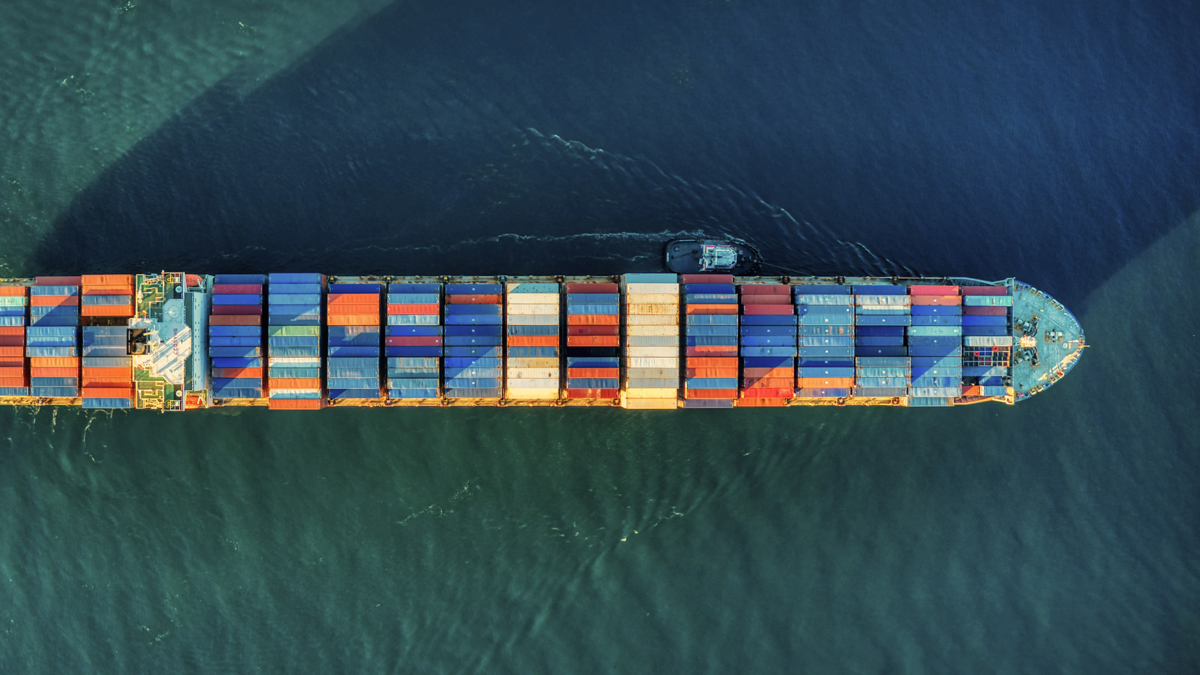
Global maritime trade volumes are projected to nearly triple by 2050, driven by increasing demand for goods and expanding global economies. As pressure mounts, maritime decarbonization has become a defining challenge for the sector.
Regulation is now steering the transition.
The EU’s FuelEU Maritime regulation mandates a rising share of sustainable fuels starting in 2025, including a sub-target for synthetic fuels like eMethanol from 2030 onward. At the same time, numerous cargo owners and freight buyers are setting their own climate goals, pushing carriers toward low-emission solutions - fast.
The industry is at a tipping point: Sustainable fuels are no longer a niche - they are the cost of staying competitive.
The Shift Will Create Winners and Losers
Operators who adopt sustainable fuels early will:
- Ensure compliance and avoid rising penalties
- Secure long-term business from climate-conscious cargo owners
- Build a brand that can meet customer expectations
Those who delay face rising costs, reputational risk, and declining relevance in a regulation-driven market.
What Will Power the Transition?
Shipping needs scalable, drop-in alternatives to fossil fuels. Among these, eMethanol is quickly emerging as a preferred option: it blends into existing fuel systems, works with retrofitted engines, and significantly reduces emissions over its lifecycle.
Yet not all eMethanol is created equal. Many production methods remain costly and inefficient - especially when CO₂ and hydrogen are sourced separately.
Greenlyte’s Liquid Solar™ eMethanol: Efficient by Design
Greenlyte’s Liquid Solar™ eMethanol is made from three renewable inputs: air, water and electricity.
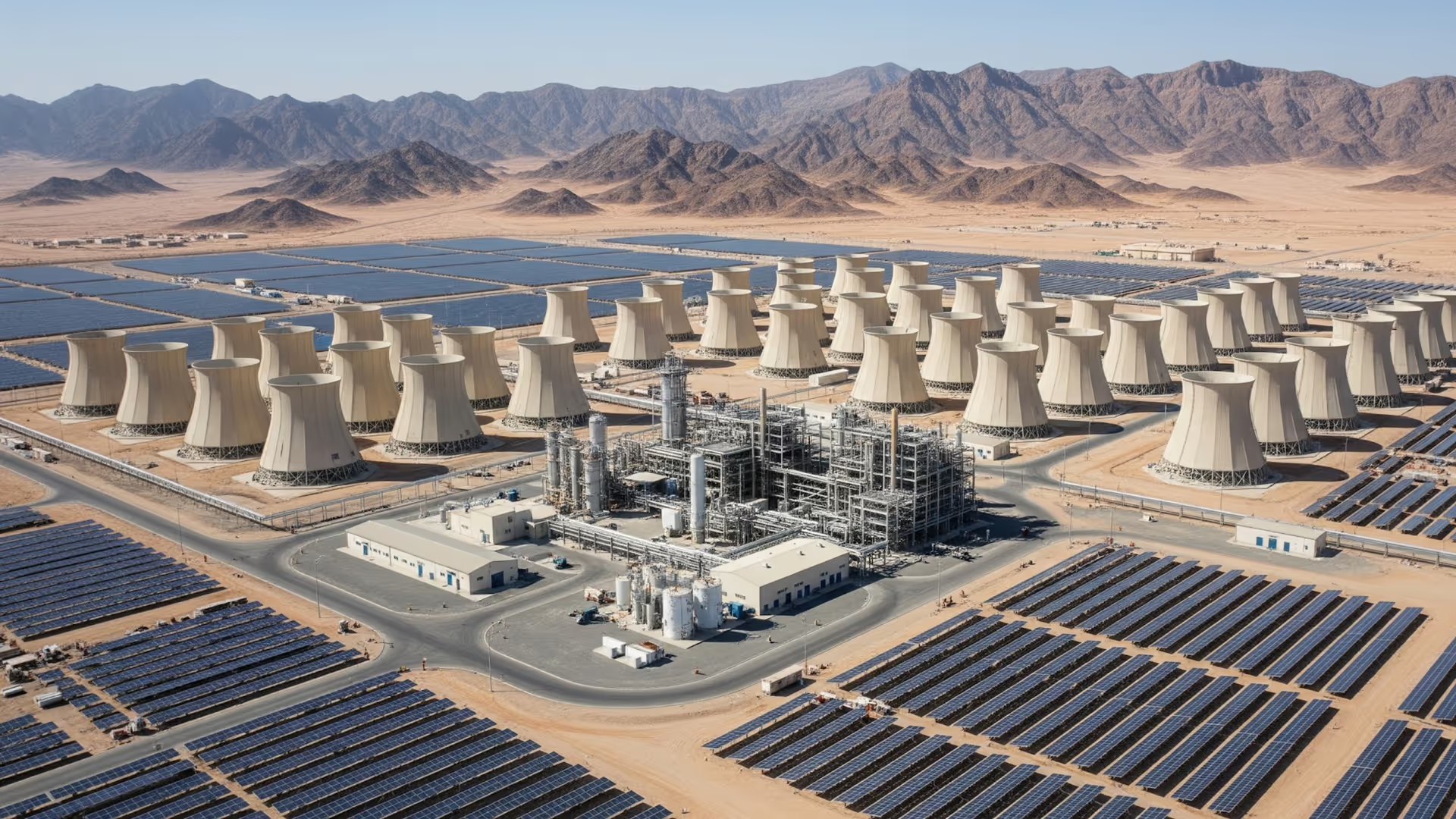
The integrated process uses renewable electricity to power every step - from extracting carbon from the atmosphere to producing green hydrogen and synthesizing eMethanol.
- CO₂ from air: We use Direct Air Capture (DAC) to extract carbon directly from the atmosphere.
- Hydrogen from water: We split water molecules to produce green hydrogen.
- Renewable electricity: Powers the full chain - capture, conversion, and synthesis.
Unlike conventional approaches that source carbon and hydrogen separately, Greenlyte does it all in one streamlined system. This dual production platform simplifies operations and unlocks key advantages:
- Lower energy demand
- Reduced infrastructure complexity
- More cost-efficient scale-up
SEAlyte™ is:
- Drop-in compatible with today’s marine engines and fueling infrastructure
- Made from unlimited feedstocks: air, water, and sunlight
- Fully RFNBO-compliant under EU regulation
- Positioned to match fossil fuel prices over time
This isn’t just cleaner - it’s built for the real-world demands of global shipping: scalable, cost-effective, and ready now.

.avif)