Newsroom
Aviation Is Entering a Pressure Zone
Why SAF matters
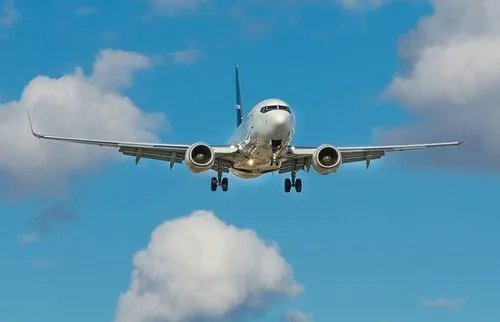
Air travel demand is set to double by 2040, yet aviation already accounts for more than 2% of global CO₂ emissions. Long-haul flights cannot run on batteries or purely on hydrogen anytime soon, only Sustainable Aviation Fuel (SAF) can keep fleets flying while cutting emissions.
The problem airlines face
Due to the lack of decarbonization options for aviation, regulators have started mandating SAF usage for airlines and corporate customers expect it for their net-zero targets.
Today’s supply, however, is problematic: bio-SAF, currently at ~€3,000/t, will soon face tight supply limits and rising prices, as feedstocks are scarce and demand increases under regulation. At the same time, electrified SAF, being the only alternative to bio-SAF, sits at €6,000–7,000/t, as production technologies are still too costly at scale. For airlines, this means higher ticket prices for customers, steep premiums or heavy fines. In Europe, penalties are about 3x higher than e.g. in the UK or Turkey, creating a real threat of traffic leakage: routes shifting to cheaper non-EU hubs as mandatory SAF quotas climb toward 35% by 2050.
Why eSAF is the path forward
Currently being the only viable option, biogenic SAF is limited and costly: feedstocks like agricultural residues are scarce and cannot scale with global aviation growth. Due to the lack of suitable and scalable solutions, biogenic SAF will only slowly drop in price.
Electrified SAF, by contrast, is made from unlimited inputs - air, water, and renewable electricity. It is the only SAF pathway that can scale to meet demand while breaking free from volatile feedstock prices.
The long-term risk
If eSAF prices stay this high due to non-efficient technologies, compliance becomes a cost trap. Airlines in stricter markets will lose competitiveness, while those without affordable SAF access risk losing both customers due to being pressured in higher ticket prices and inclusion in global flight networks due to heavy fining for these certain regions.
Where Greenlyte comes in
We enable eSAF production at the cost airlines need to stay competitive. By combining Direct Air Capture and hydrogen production in one renewable-powered process, we remove the inefficiencies of conventional e-SAF routes. This is what drives our cost advantage: our core process alone delivers precursors at ~€1,400/t in 2030, falling to ~€750/t by 2050. Carbon and hydrogen feedstock is the dominant cost driver…. With synthesis and project costs included, our total price path comes to:
- ~€3000/t by 2030 - competitive with fossil kerosene (including penalties) and biogenic routes like Bio-SAF and eSAF from point source
- ~€1500/t by 2050 - cheapest SAF (compared to biogenic routes)
Why now
Airlines need SAF to meet mandates, but they also need it at a price that keeps them competitive in the long run. Costly feedstock-based SAF risks becoming a trap; the right path is eSAF from unlimited resources.
Greenlyte delivers exactly that: a technology that closes the cost gap, safeguards competitiveness, and turns regulation into an advantage.
By partnering with us today, airlines secure future-proof access to eSAF at prices built to match and beat fossil kerosene, keeping routes, customers, and hubs competitive for decades to come.

.avif)